The difference, in plain terms
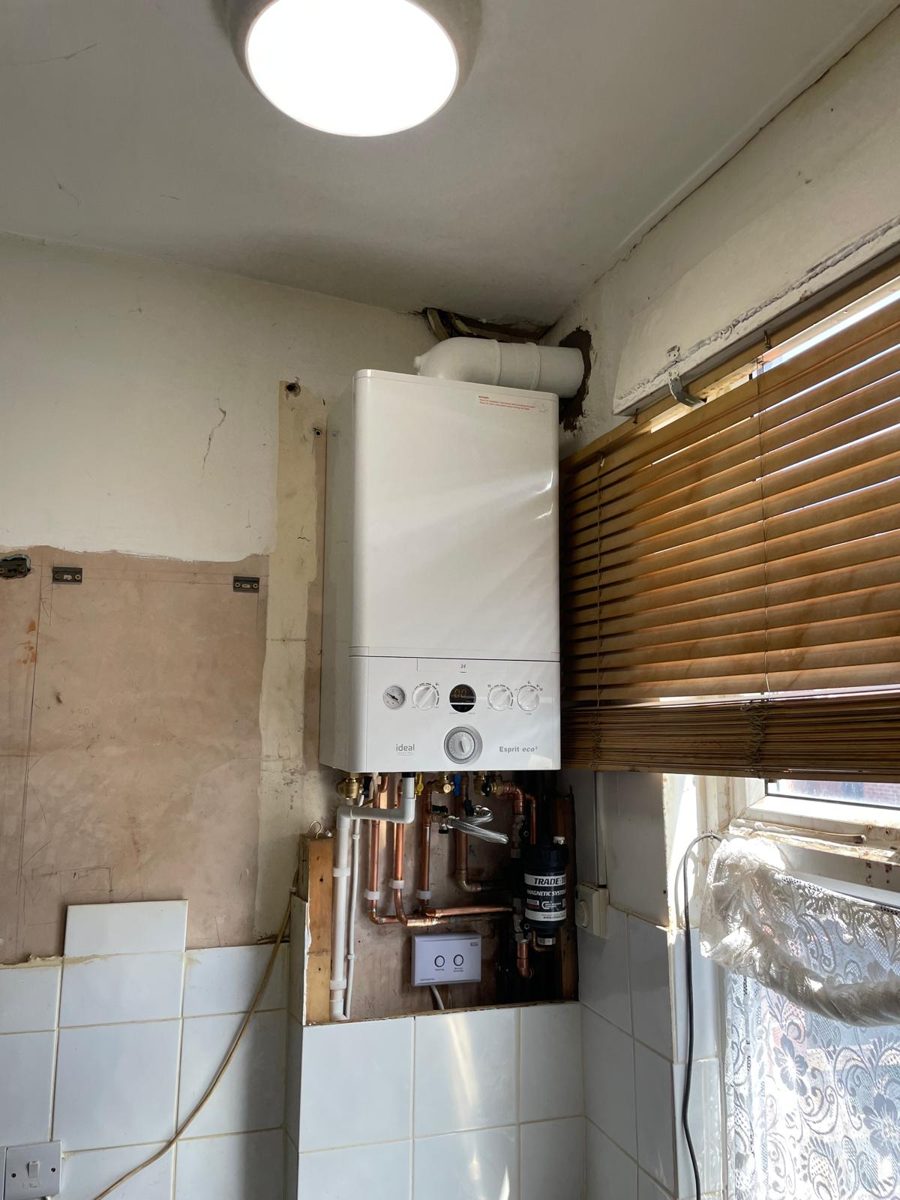
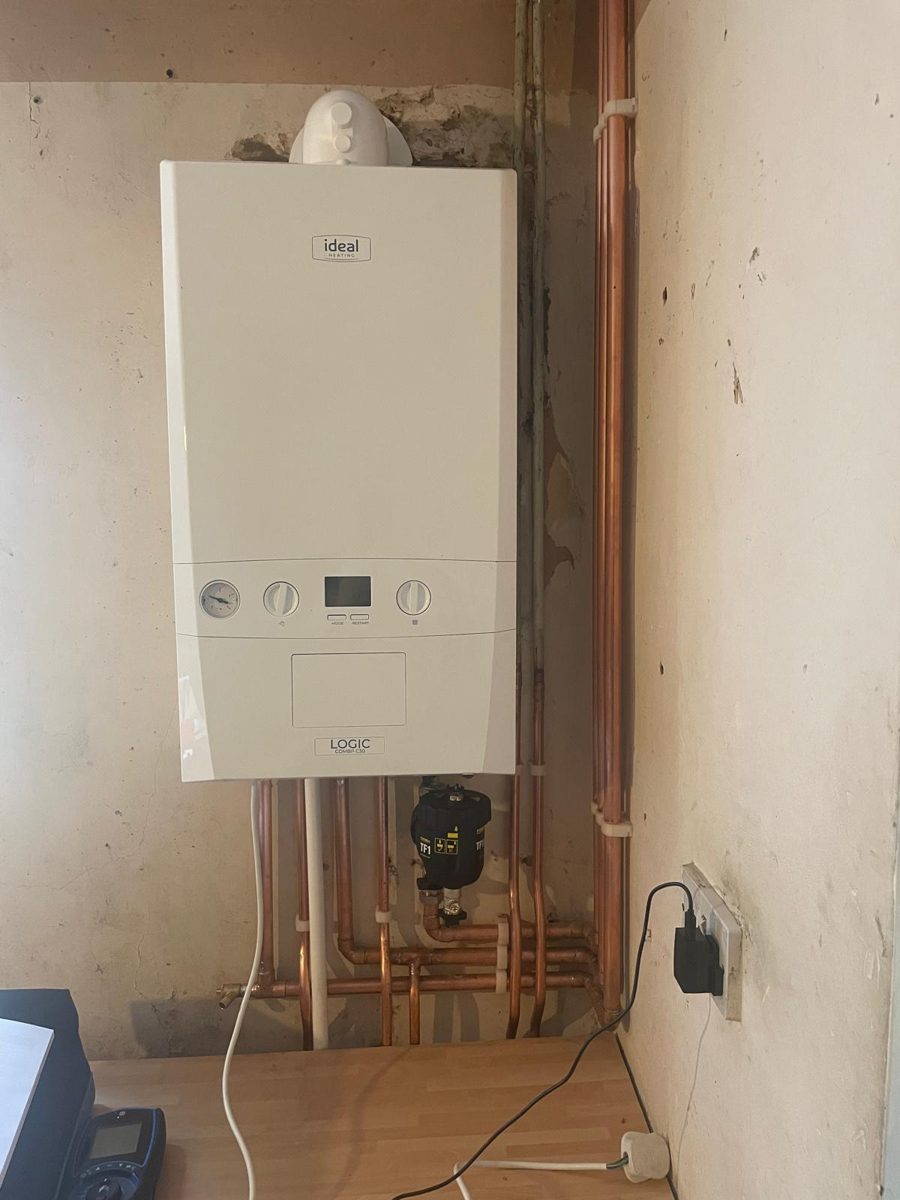
A combi boiler heats water on demand. There is no cylinder and no tank, so when you turn a tap on, the boiler fires and heats the water as it passes through. Everything comes straight off the mains.
A system boiler heats a cylinder of water that sits ready for when you need it, usually in an airing cupboard. The boiler fills the cylinder, the cylinder holds the heat, and taps draw from the stored supply.
An unvented cylinder is a sealed cylinder fed at mains pressure, which is what gives a system setup the strong flow people associate with a good shower. The older vented sort relies on a tank in the loft and gravity, which is why older houses often have weak upstairs pressure.
When a combi is the right answer
For a house with one bathroom where hot water is rarely needed in two places at once, a combi is usually the sensible choice. It takes up less space, there is no cylinder and no loft tank, and you are not paying to keep a tank of water hot in case you want it.
It also frees up the airing cupboard, which for a lot of people is the deciding factor on its own.
When a combi starts to struggle
The limit of a combi is that it can only heat so much water per minute. One outlet at a time and it is fine. Two at once and the flow divides between them, which is why someone running a tap downstairs can noticeably weaken the shower upstairs.
So the question is not really how big the house is, it is how the household uses water. Two bathrooms that are genuinely used at the same time, on a weekday morning with people trying to get out of the door, is where combis disappoint people.
The other limit is the incoming mains. A combi can only deliver what the mains brings in, so a property with poor incoming flow will have a poor shower regardless of which combi is fitted. This gets measured at the survey rather than assumed, because it is the single most common reason a new combi disappoints someone who was expecting an improvement.
What a system boiler and cylinder gives you
Stored hot water does not divide the way heated-on-demand water does. Two showers running together draw from the same reservoir, so the performance holds up in a way a combi cannot match.
The trade-off is space and planning. The cylinder has to live somewhere, usually the airing cupboard, and an unvented cylinder has safety requirements around siting and discharge that have to be designed in rather than worked around.
There is also a limit of a different kind: the cylinder holds a finite amount. Size it properly for the household and you will not notice. Size it for a smaller house than you have and you will run out, which is the system-boiler equivalent of a weak combi shower.
What actually decides it
In practice three things settle it. How many bathrooms are genuinely in use at the same time, what the incoming mains flow and pressure measure at, and whether there is somewhere sensible to put a cylinder.
None of those can be answered from a photograph or a phone call, and the mains flow in particular has to be measured. That is why this gets looked at in person before anything is quoted.
It is also worth saying that the right answer sometimes means talking someone out of what they came in asking for. A combi in a house that needs stored water is cheaper on the day and a disappointment every morning afterwards.
Last updated 2 November 2026